Review: Modern Floral Geometric Embroidery for Craft Fairs
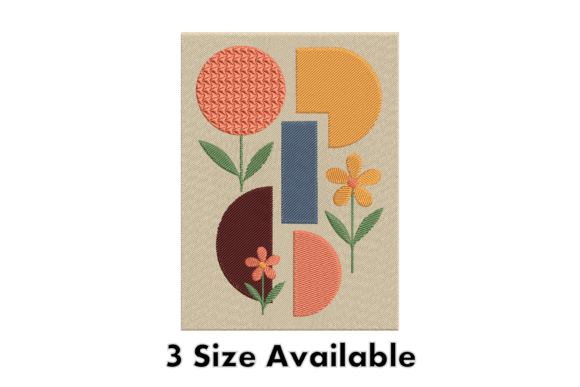
As an embroidery designer who has spent countless weekends behind a booth table, I know that the difference between a browser and a buyer often comes down to visual impact. When I first loaded the Modern Floral Geometric Embroidery file into my software, my immediate reaction was one of relief. In a market saturated with rustic farmhouse motifs and overly complex vintage patterns, this design offers a crisp, contemporary edge that feels fresh without being alienating. It is not just another floral; it is a structured blend of organic softness and architectural precision.
This machine embroidery design sits squarely in the Shapes category, but it transcends simple geometry by integrating delicate flower elements. For those of us running a small shop product line or preparing for a high-traffic craft fair, this balance is crucial. It appeals to the modern minimalist while still satisfying the customer who loves traditional botanical themes. The result is a versatile embroidery file that feels premium and intentional.
First Impressions and Visual Appeal
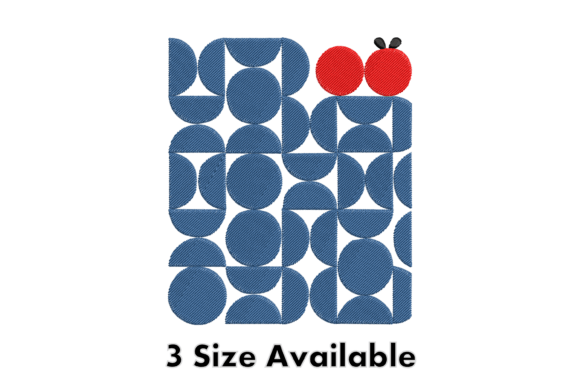
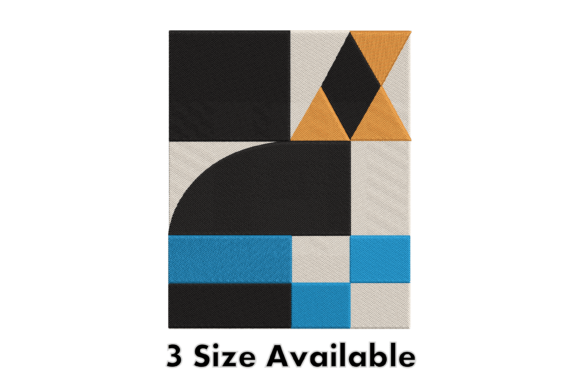
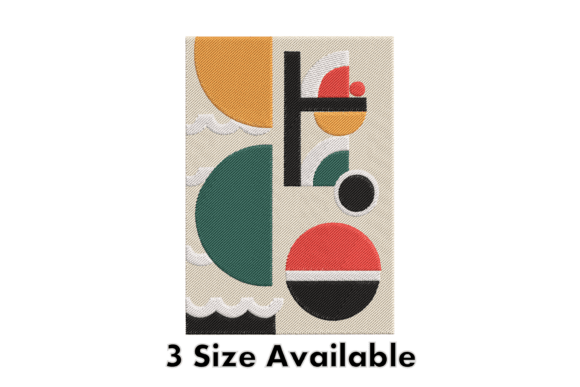
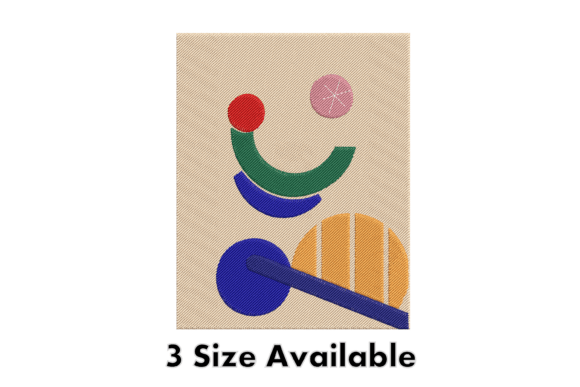
The first thing you notice about Modern Floral Geometric Embroidery is its clarity. From a distance, the geometric frame draws the eye, acting as a bold anchor. Up close, the floral details provide the texture and warmth that make handmade items feel special. This duality makes it an excellent choice for a craft fair product because it stops people in their tracks. It does not look like a generic clipart transfer; it looks like a designed piece of art.
For Etsy sellers and boutique makers, this aesthetic translates well into digital listings. The clean lines photograph beautifully, allowing for sharp printable mockup creations that highlight the contrast between thread and fabric. Whether you are aiming for a chic, urban vibe or a soft, modern nursery look, this design adapts. It feels elegant yet approachable, which is a rare combination in the world of digital embroidery file offerings.
Product Versatility for Market Sellers
When planning my booth inventory, I always ask: where does this design live best? With three sizes available in this package, the versatility is a major selling point. Here is how I see this design performing across different finished product categories:
- Tote Bags: This is arguably the strongest application. A large-scale version of this design on a canvas tote creates an instant statement piece. It serves as a perfect tote bag design for shoppers looking for stylish, reusable alternatives to plastic bags.
- Aprons and Kitchen Textiles: The geometric structure complements the straight lines of an apron bib. As an apron embroidery motif, it adds a professional touch to handmade kitchenware. Similarly, for tea towel embroidery, a smaller version placed in the corner adds a subtle, high-end detail without overwhelming the fabric.
- Patches and Pouches: The smallest size option is ideal for creating iron-on or sew-on patches. An embroidered patch featuring this motif can be sold individually or used to embellish denim jackets and backpacks. It also works wonderfully on small fabric pouches, turning a simple zipper bag into a giftable item.
- Pillows and Home Decor: Centered on a pillow cover, the symmetry of the geometric shape provides a focal point that anchors a living room or bedroom decor scheme.
Production Practicalities and Technical Notes
While the aesthetic is strong, practical production concerns are paramount for any commercial embroidery venture. Before committing to a large batch, there are several technical factors to consider regarding this specific design.
First, evaluate the stitch density. Geometric shapes often require solid fills to look crisp, which can add bulk. If you are stitching on lightweight fabrics like chiffon or thin cotton, you must use an appropriate stabilizer to prevent puckering. I recommend testing on scrap fabric first to ensure the tension is correct. The mix of flowers and angles means there may be varying densities within the same hoop, so a cut-away stabilizer might be safer for stretchy fabrics like t-shirts.
Second, consider thread colors. This design relies on contrast. On dark fabrics, ensure your thread palette is bright enough to pop against the background. Conversely, on white or cream linens, subtle tonal variations can create a sophisticated, understated look. However, avoid using too many similar shades, as the geometric lines might blur together from a distance.
Third, mind the hoop size. Since the product description mentions three sizes are available, confirm which hoop fits your machine before purchasing. Do not assume the largest size fits a standard 5x7 hoop without checking the exact dimensions provided by the seller. Scaling a design beyond its intended parameters can distort the geometry and ruin the visual balance.
Selling Strategy and Brand Consistency
For creative entrepreneurs, consistency is key. Modern Floral Geometric Embroidery helps build a cohesive brand identity. If your shop focuses on modern, clean-lined goods, this design reinforces that message. It signals to customers that your products are current and thoughtfully curated.
When displaying these items at a fair, group them by color story. A set of tote bags, aprons, and pillows using the same design but different thread palettes creates a powerful visual wall. It shows range while maintaining unity. This strategy increases perceived value and encourages multiple purchases.
Additionally, this design is highly repeatable. Once you have dialed in the settings for one tote bag, you can produce ten more with minimal variation. This efficiency is vital for meeting demand during peak seasons without sacrificing quality. It allows you to focus on customer engagement rather than troubleshooting every single stitch.
Final Designer Verdict
In conclusion, Modern Floral Geometric Embroidery is a robust addition to any designer’s library. It bridges the gap between abstract art and natural beauty, making it appealing to a wide demographic. For handmade product creators, it offers the flexibility needed to diversify inventory without learning new techniques.
Remember to check the specific license terms included with your design assets to ensure compliance for commercial sales. Test the design on various fabric texture types, from smooth cotton to textured linen, to find your best-selling combination. With careful attention to stabilizer choice and thread contrast, this design can become a staple in your booth, driving sales through its striking, modern appeal. It is not just an embroidery pattern; it is a tool for building a recognizable and desirable brand.