Review: Geometric Ladybug Embroidery Design for Modern Makers
As a designer who has spent countless hours staring at digitized files and watching needles dance across fabric, I have learned that not every cute concept translates well into thread. When I first opened the Geometric Ladybug Embroidery Design, my initial reaction was one of cautious optimism. The market is flooded with traditional, realistic insect motifs, so seeing a stylized, modern interpretation within the Shapes category immediately caught my eye. But does it hold up under the microscope of actual production? After testing this file on various substrates, I am ready to share my practical insights for fellow embroidery designers, Etsy sellers, and craft entrepreneurs.
First Impressions and Visual Personality
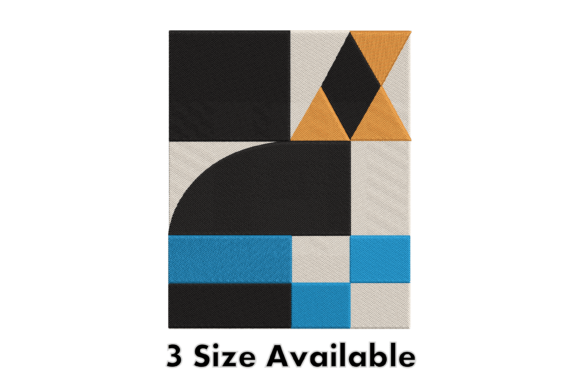
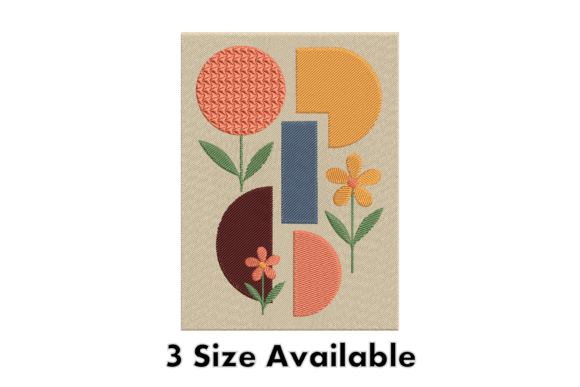
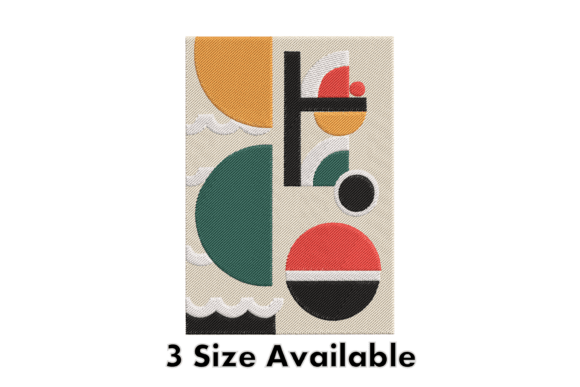
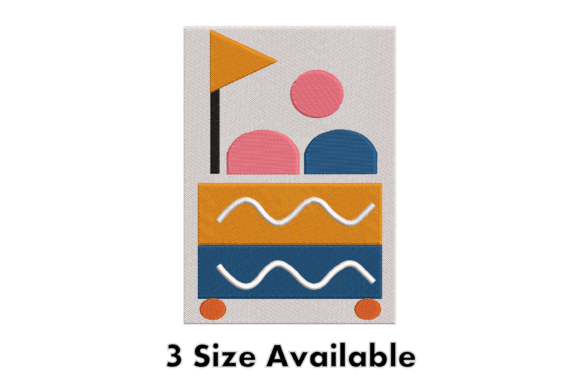
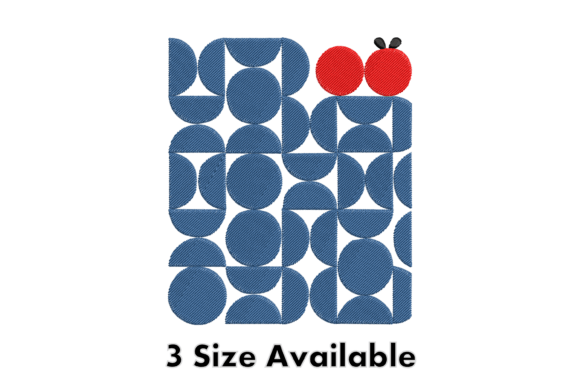
The immediate mood this design creates is playful yet structured. By breaking down the organic form of a ladybug into geometric planes and sharp angles, the design avoids the cloying sweetness often associated with nature motifs. This makes it versatile. It feels contemporary, fitting seamlessly into modern nursery decor just as easily as it would on a trendy adult accessory. The visual personality is bold without being aggressive. For those of us selling handmade products, this balance is crucial. You want a design that stops the scroll on social media but also looks sophisticated enough to justify a premium price point.
The layout is compact and self-contained, which is a significant advantage. Unlike sprawling designs that require massive hoops and excessive stabilization, this piece respects the boundaries of standard hoop sizes. The detail level is moderate; it relies on clean lines and color blocking rather than intricate micro-stitching. This suggests that the design will stitch out cleanly on most home machines, provided your tension is dialed in correctly.
Real-World Application: The Tote Bag Test
To truly evaluate any embroidery file, you must move beyond the screen. I decided to test the Geometric Ladybug Embroidery Design on a heavy canvas tote bag, a staple product for many small shop owners. Canvas presents a unique challenge due to its weave and thickness. I used a medium-weight cut-away stabilizer to ensure the fabric did not pucker around the geometric edges.
The result was impressive. The geometric shapes allowed the thread to lay flat, creating a smooth surface that felt pleasant to the touch. On a textured fabric like canvas, overly dense fill stitches can sometimes look muddy or cause the fabric to bunch. However, because this design utilizes distinct shapes, the stitching clarity remained high. The contrast between the bright reds and blacks against the natural beige canvas made the motif pop. For an Etsy seller looking to create a standout tote bag design, this level of visibility is essential. Customers need to recognize the image from a thumbnail view, and the bold geometry delivers that instant recognition.
Expanding Beyond Bags
While the tote bag was a success, I also considered other applications. This design would work exceptionally well as a sweatshirt embroidery element. Placed on the left chest or centered on the back of a crewneck, it adds a whimsical touch to custom apparel. The geometric style pairs beautifully with minimalist streetwear trends. Additionally, it serves as an excellent candidate for an embroidered patch. If you are creating iron-on or sew-on patches for a boutique brand, the clean edges of this design ensure that the cut line will be precise, reducing waste and improving the professional finish of your finished product.
For those focusing on baby embroidery, this design offers a safer, more modern alternative to traditional cartoons. It fits well on bibs or onesies, though care must be taken with hoop size and stabilizer choice to ensure comfort against sensitive skin. As a personalized gift, it could be paired with a name in a simple sans-serif font, maintaining the modern aesthetic without cluttering the composition.
Technical Considerations and Stitch Behavior
From a technical standpoint, understanding how the machine embroidery design behaves is critical for consistent quality. The design appears to rely heavily on fill stitch patterns for the body segments, likely using a tatami or similar directional fill to create texture without excessive density. The outlines probably utilize a satin stitch or a thick running stitch to define the geometric borders. This combination is generally reliable, but it requires attention to stitch density.
If you are working with thin or stretchy fabrics, such as jersey knits for t-shirts, you must use the appropriate stabilizer. A tear-away might not provide enough support for the geometric corners, leading to distortion. I recommend a light cut-away for knits to maintain the integrity of the shapes. Furthermore, when stitching on dark fabrics, ensure your thread colors have sufficient contrast. The geometric nature of the design means that shadows and highlights are created by color placement rather than shading, so poor color choices can flatten the image.
Where to Use Caution
Despite its versatility, there are scenarios where this design requires careful handling. Curved surfaces, such as caps or hats, can distort geometric shapes if the hooping is not perfect. The straight lines of the ladybug’s shell may appear wavy if the fabric shifts during stitching. Therefore, if you are producing holiday embroidery gifts like customized caps, take extra time to stabilize the front panel firmly.
Additionally, avoid placing this design in areas subject to extreme friction or frequent heavy washing without proper reinforcement. While the stitch count seems reasonable, any embroidered item will wear over time. For commercial projects, always advise clients on care instructions to maintain the longevity of the design assets you have created.
Practical Notes for Designers and Sellers
Before adding this to your inventory or using it for a client order, follow these steps:
- Test on Scrap Fabric: Always run a test stitch on the same material you plan to use for the final product. Check for puckering or thread breaks.
- Check Thread Contrast: View your printable mockup in black and white to ensure the geometric shapes remain distinct without color reliance.
- Verify Licensing: Confirm whether the digital embroidery file allows for commercial use. As a craft business owner, protecting your legal standing is as important as the quality of your stitch-out.
- Inspect Small Details: Zoom in on the digitizing software to check for unnecessary jump stitches or tight turns that could cause needle deflection.
In conclusion, the Geometric Ladybug Embroidery Design is a strong contender for modern makers. It bridges the gap between playful nature themes and contemporary graphic design. Whether you are creating a small shop product line or a one-off personalized gift, this design offers the clarity and charm needed to engage buyers. By respecting the technical requirements of Embroidery and understanding the visual impact of Shapes, you can leverage this file to create high-value, professional-looking items that stand out in a crowded marketplace.