Reviewing the Minimalist Sun Mountain Embroidery Art
As a designer who has spent countless hours digitizing and stitching out thousands of files, I have developed a sharp eye for what works in the hoop and what looks better on a screen. When I first loaded the Minimalist Sun Mountain Embroidery Art into my software, I was looking for more than just a pretty picture. I wanted to know if this design could hold its own in a real-world commercial setting. Could it elevate a plain tote bag? Would it survive the wash cycle on a baby onesie? After putting this file through its paces on various fabrics and hoop sizes, I am ready to share my practical insights for fellow crafters, Etsy sellers, and embroidery enthusiasts.
First Impressions: Mood and Visual Personality
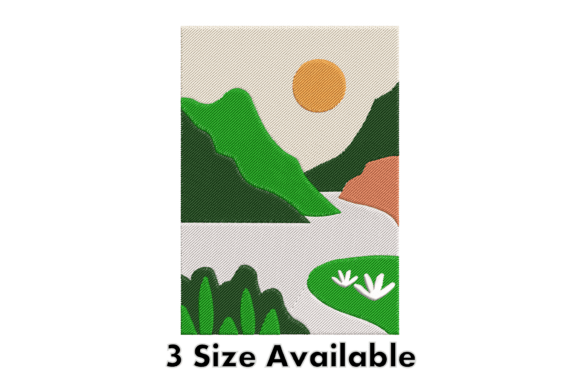
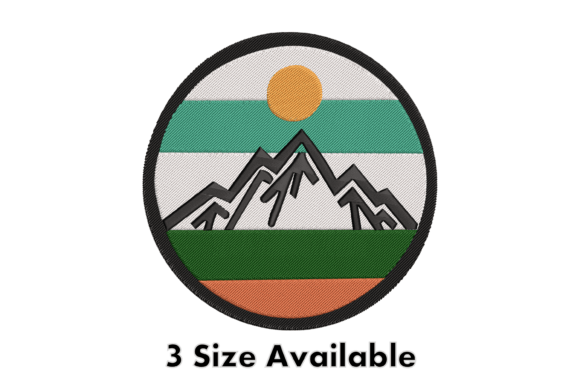
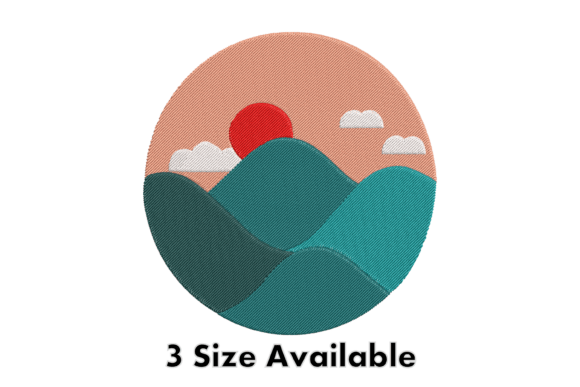
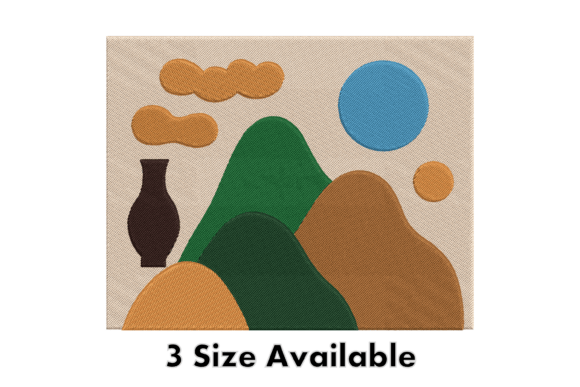
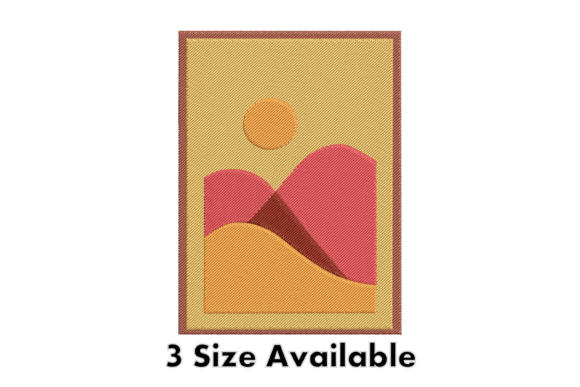
The immediate appeal of this design lies in its restraint. In an era where overly complex digital embroidery files often result in thread breaks and puckering, this piece embraces negative space. The silhouette of the mountain range paired with the geometric sun creates a modern, calming aesthetic that feels distinctly outdoorsy without being cliché. It captures the essence of Camping culture but translates it into a refined visual language suitable for boutique home decor or high-end custom apparel.
The layout is balanced, offering a clean focal point that does not overwhelm the garment. For a designer, this simplicity is a gift. It means the stitch count is likely manageable, reducing production time while maintaining a professional finish. The visual personality is versatile; it feels equally at home on a rugged canvas tote as it does on a soft, pastel baby blanket.
Real-World Application: From Tote Bags to Sweatshirts
To truly test the viability of any machine embroidery design, you must move beyond the monitor. I decided to use this file for a small batch of custom canvas tote bags intended for a local farmer’s market vendor. The goal was to create a durable, stylish accessory that communicated a love for nature. Using a standard tear-away stabilizer and medium-weight cotton canvas, the results were impressive. The lines remained crisp, and the fill stitches lay flat without causing the fabric to warp.
Beyond totes, I see immense potential for this design in the realm of custom apparel. Imagine this stitched onto the left chest of a heavyweight sweatshirt. The minimalist nature ensures it does not look bulky or stiff, a common complaint with larger embroidery projects. For Etsy sellers, this versatility is key. You can market the same digital embroidery file across multiple product lines, from men’s t-shirts to nursery decor, maximizing the return on your design investment.
For those creating personalized gifts, such as holiday embroidery for family matching pajamas or wedding gifts for outdoor-loving couples, this design offers a neutral yet meaningful motif. It avoids gender-specific tropes, making it an inclusive choice for broad customer bases.
Technical Considerations and Stitch Performance
While the design is forgiving, it is not without its technical demands. The transition between the sun and the mountain peaks requires precise tension settings. I noticed that using a high-quality rayon or polyester thread significantly enhanced the sheen of the sun rays, giving them a subtle lift against the matte texture of the mountain fill. If you are working with a satin stitch border, ensure your needle is fresh to prevent snagging, especially on textured fabrics like terry cloth or fleece.
Stitch density appears well-optimized for general use, but I always recommend testing on scrap fabric first. This is crucial when working with stretchy materials like jersey knits for t-shirts. Without a proper cut-away stabilizer, even a well-digitized file can distort. For caps and curved surfaces, the center-heavy composition works well, but you must hooping carefully to avoid shifting. A magnetic hoop or cap frame is essential here to maintain alignment.
One area to watch is the fine details in the sun’s rays. On very dark fabrics, ensure you have sufficient contrast in your thread colors. A black thread on navy blue might get lost, whereas a cream or gold thread will pop. Always run a black-and-white mockup in your software to check for value contrast before you start stitching.
Navigating Fabric and Hoop Constraints
This embroidery file comes in three sizes, which is a significant advantage for small shop owners. However, size selection should be dictated by the end product. For baby embroidery, such as onesies or burp cloths, use the smallest size to keep the hand-feel soft and flexible. Large, dense stitches on infant skin can be irritating. Conversely, for wall art or pillow covers, the largest size allows the design to breathe and become a statement piece.
Be cautious when using this on thin fabrics like silk or lightweight linen. The fill stitches may require a heavier stabilizer or even a backing fabric to prevent show-through. If you are creating an embroidered patch to be ironed on later, consider using a dense zig-zag or satin stitch border to encase the raw edges, ensuring durability and a polished look.
Commercial Value and Brand Consistency
For creative entrepreneurs, the perceived value of a finished product is heavily influenced by the quality of the embroidery. This design exudes professionalism. It does not look like a clip-art afterthought; it looks intentional. Using consistent design assets like this across your brand helps build recognition. Whether you are selling printable mockups to showcase the design or listing physical handmade products, the clean lines photograph beautifully.
Customer trust is built on consistency. If you promise a high-quality handmade product, the stitching must reflect that. This design supports that promise by minimizing common errors like thread breaks or bird nests, provided your machine is well-maintained. It allows you to scale your production without sacrificing quality, a critical factor for growing craft businesses.
Final Designer Notes
Before you commit to a large run, remember to check the specific license terms associated with this digital embroidery file. While many designers allow commercial use for finished physical items, rules vary regarding digital resale or mass production limits. Always verify these details to protect your business.
Additionally, inspect the file in your software to confirm compatibility with your machine format. Although most modern machines accept common formats, double-checking prevents last-minute conversion headaches. Test the design on both light and dark fabrics to build a portfolio of examples for your online store. Show customers how the design looks on a tote, a tee, and a towel. This visual proof reduces hesitation and increases conversion rates.
In conclusion, the Minimalist Sun Mountain Embroidery Art is a robust, versatile addition to any designer’s library. It balances aesthetic appeal with technical practicality, making it suitable for everything from delicate baby gifts to rugged outdoor gear. By respecting the material constraints and leveraging its minimalist strength, you can create products that resonate with customers and stand the test of time.