Reviewing Abstract Floral Line Embroidery File
As an embroidery designer who has spent years digitizing patterns and testing them on everything from delicate silk to heavy denim, I approach every new machine embroidery design with a critical eye. Recently, I had the chance to test the Abstract Floral Line Embroidery File for a potential addition to my personalized gift shop inventory. My goal was not just to see if it stitched out cleanly, but to determine if it held the emotional weight necessary for high-end custom orders. This review breaks down my experience using this design for real-world applications, focusing on its versatility, aesthetic appeal, and technical performance.
First Impressions: Mood and Aesthetic Appeal
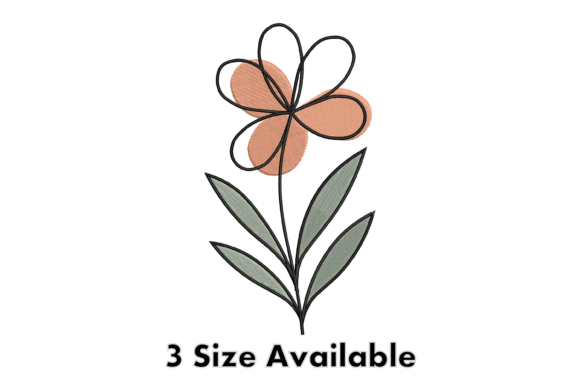
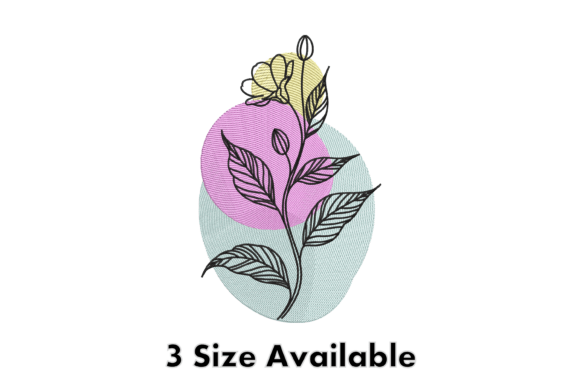
The moment I loaded the Abstract Floral Line Embroidery File into my software, I was struck by its modern elegance. Unlike traditional floral motifs that rely on heavy saturation and complex shading, this design utilizes clean, continuous lines to suggest form rather than define it strictly. It feels airy, romantic, and distinctly contemporary. For sellers in the Single Flowers category, this is a refreshing departure from the usual dense bouquets.
The mood is sophisticated yet approachable. It does not scream for attention; instead, it invites a closer look. This subtlety makes it ideal for customers who want a handmade product that feels curated rather than mass-produced. Whether placed on a neutral linen tote or a vibrant cotton T-shirt, the design maintains its charm without overwhelming the base material. It strikes a perfect balance between playful and classic, making it a versatile asset for any Etsy seller looking to expand their catalog beyond seasonal trends.
Real-World Applications for Personalized Gifts
To truly understand the value of this digital embroidery file, I simulated several customer orders. Imagine a client requesting a meaningful wedding gift for a friend who loves minimalist decor. I stitched the design onto a high-quality cotton pillow cover in a soft sage green thread. The result was stunning. The abstract lines complemented the texture of the fabric, creating a piece that looked like high-end home decor rather than a simple craft project.
I also tested its viability for baby embroidery. Parents are increasingly seeking gender-neutral, modern designs for nursery items. I applied the pattern to a muslin swaddle blanket. Because the design relies on line work rather than solid fills, it remained soft and flexible, avoiding the stiff "cardboard" feel that heavy stitching can sometimes cause on delicate baby fabrics. This flexibility is crucial for blanket embroidery where comfort is paramount.
For kitchen enthusiasts, I created an embroidered towel set. The abstract floral motif added a touch of whimsy to a plain waffle-weave tea towel. This type of custom embroidery elevates a basic household item into a thoughtful housewarming present. Similarly, when stitched onto a canvas apron, the design transformed a utilitarian object into a stylish accessory for the home chef. These applications demonstrate how a single well-chosen pattern can serve multiple niches, from nursery decor to kitchen textiles.
Technical Considerations and Fabric Challenges
While the design is beautiful, practical execution requires attention to detail. One of the primary challenges with line-based embroidery is ensuring visibility on varied backgrounds. When testing on dark fabric, I found that standard black or navy threads disappeared. To counter this, I experimented with metallic and high-contrast pastel thread colors. The result was much more successful, proving that color selection is just as important as the stitch pattern itself.
Fabric texture also plays a significant role. On smooth cotton or linen, the lines were crisp and defined. However, when I attempted to stitch on a thick, textured terry cloth towel, some of the finer details got lost in the pile. This teaches us that while the Abstract Floral Line Embroidery File is versatile, it performs best on medium-weight, smooth-to-medium texture fabrics. For highly textured materials, consider scaling up the design slightly to ensure clarity.
Stretchy fabrics, such as those used for baby onesies or fitted T-shirts, require careful handling. Without proper stabilization, the linear stitches can pucker or distort. I strongly recommend using a cut-away stabilizer for stretchy garments to maintain the integrity of the design after washing. Always check the recommended hoop size in the file documentation to ensure the design fits your machine’s capabilities without needing to split the pattern.
Enhancing Perceived Value and Customer Trust
From a business perspective, the quality of your embroidery directly impacts perceived value. A clean, well-executed stitch-out builds trust. When customers see a precise, elegant design like this one, they associate it with professionalism. This is vital for small shop product creators who compete on quality rather than price. The abstract nature of the floral line art allows for creative customization. You can easily pair it with monograms or dates, turning a simple flower into a personalized keepsake.
Photography also benefits from this design. The clean lines photograph beautifully, especially in natural light. Creating a printable mockup or staging the finished product against colorful backdrops, as suggested in the product description, can significantly boost buyer engagement on platforms like Etsy. The contrast between the delicate embroidery and bold backgrounds creates visual interest that stops the scroll.
Practical Tips for Successful Stitching
Before committing to a large batch of customer orders, follow these practical steps to ensure consistency:
- Test on scrap fabric: Always run a test stitch on the exact fabric type you plan to use for the final product. This helps you adjust tension and stabilizer choices.
- Check thread contrast: Ensure your thread color stands out against the fabric. Use a color wheel tool if you are unsure about complementary shades.
- Review stitch density: While line art is generally low density, verify that the start and end points are secure to prevent unraveling during washing.
- Confirm commercial licensing: Before selling finished products, always verify the license terms associated with the commercial embroidery file. Ensure you have the right to sell physical items made with this design.
- Inspect small details: After stitching, trim any loose threads carefully. In line art, stray threads are more noticeable than in filled designs.
In conclusion, the Abstract Floral Line Embroidery File is a valuable addition to any designer’s library. It offers a modern, elegant aesthetic that appeals to a wide range of customers, from new parents to wedding planners. By understanding its technical requirements and leveraging its visual appeal, you can create high-value, personalized gifts that stand out in a crowded market. Whether you are creating a cozy pillow cover or a chic tote bag, this design delivers the sophistication and warmth that handmade lovers seek.