Review: Deer Face Embroidery Design for Branding
As an embroidery designer who has spent years translating brand identities into thread, I approach every new machine embroidery design with a critical eye. It is not enough for a file to look cute on a screen; it must perform under the needle, withstand washing, and communicate the right message to the customer. Recently, I evaluated the Deer Face Embroidery Design, a charming piece from the Woodland Animals category, to determine its viability for small business merchandise and branded patch use.
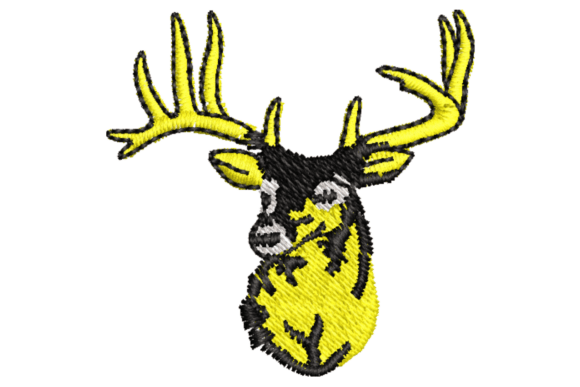
The initial impression of this design is overwhelmingly friendly and rustic. The description highlights "sweet details," which translates visually to a soft, approachable aesthetic. For businesses in the boutique, bakery, florist, or handmade product sectors, this visual personality is gold. It does not scream corporate rigidity; instead, it whispers warmth, nature, and care. However, translating that whisper into a clear brand mark requires careful technical consideration.
Visual Personality and Brand Alignment
When selecting assets for your brand identity, consistency is key. The Deer Face Embroidery Design leans heavily into the organic and playful. If your business sells rugged outdoor gear, this might feel too delicate. But for a children’s clothing line, a pet brand, or a cozy café, it aligns perfectly. The design feels handmade rather than mass-produced, which adds perceived value to any handmade product it adorns.
I tested the visual weight of the deer face against various backgrounds. On light fabrics, the sweet details shine, creating a premium look. On dark uniforms, however, you must be strategic with your thread colors. A standard brown might get lost on navy or black apparel. In my review, I found that using high-contrast threads, such as cream or tan, helped the facial features pop without losing the gentle character of the design.
Real-World Applications for Small Business Merch
The versatility of this digital embroidery file is one of its strongest assets for small business merch. Here is how I envision it performing in real commercial scenarios:
- Embroidered Patches: This is perhaps the strongest use case. A circular or shield-shaped patch featuring the deer face can serve as a removable logo for tote bags or jackets. It allows customers to customize their purchase, increasing engagement.
- Cap Embroidery: Placed on the front panel of a dad hat or baseball cap, the deer face acts as a subtle brand accent. It is less aggressive than a full text logo, making it ideal for lifestyle brands that want to stay understated.
- Apron Embroidery: For bakeries, florists, or craft studios, embroidering this design on staff aprons creates a unified, professional team look. It signals to customers that the staff is part of a cohesive, nature-inspired community.
- Tote Bag Design: As a central motif on canvas totes, the design draws attention without overwhelming the bag’s utility. It works well as a standalone graphic or paired with minimal sans-serif text below.
- Customer Gifts: Small items like baby bibs, cushions, or keychains featuring this design make excellent loyalty rewards. They are low-cost to produce but high in emotional value due to the "adorable" factor.
Technical Considerations and Stitch Density
While the aesthetic is strong, the technical execution requires diligence. The description mentions "sweet details," which often implies finer stitching. In embroidery, fine details can be risky depending on the stitch density and fabric type. If the density is too high, the fabric may pucker, especially on lighter materials like baby clothes or thin cotton tote bags. Conversely, if the density is too low, the design may lack definition and look sparse.
I recommend checking the file specifications before production. Since the provided description does not list exact stitch counts or hoop sizes, you must verify these details with the seller. Ensure the hoop size matches your machine’s capabilities and the intended application. For a chest logo on a work shirt, a 4x4 inch hoop might be sufficient, but for a large back print on a hoodie, you may need to scale it up, which could reveal pixelation or spacing issues if the original file is not vector-based or high-resolution.
Fabric texture also plays a crucial role. On textured fabrics like fleece or terry cloth, fine details can get lost. For these materials, consider using a cut-away stabilizer to provide extra support and prevent the stitches from sinking into the pile. Always test the design on a scrap piece of the actual fabric you intend to use. This step is non-negotiable for professional results.
Strategic Placement and Limitations
Not every surface is suitable for this specific design. Because it relies on facial features for recognition, scaling it down too small can render it unrecognizable. Avoid using it on tiny labels or narrow wristbands where the eyes and nose might merge into a blur. Similarly, curved surfaces like the side of a cap require precise hooping to prevent distortion. If the deer face looks skewed, it loses its charm and professionalism.
For items that undergo frequent washing, such as kids’ clothes or staff uniforms, ensure the design is properly secured. Dense satin stitches around the outline can sometimes catch on other garments in the wash. A merrowed edge on a patch version would mitigate this risk, offering a cleaner, more durable finished product.
Enhancing Customer Trust and Recognition
Using a consistent visual element like the Deer Face Embroidery Design across multiple touchpoints builds brand recognition. When a customer sees the same deer face on your Etsy shop banner, your packaging, and the tote bag they bought, it reinforces trust. It signals that you are a thoughtful creator who cares about the details. This consistency turns a simple transaction into a brand experience.
Moreover, embroidered items have a tactile quality that printed graphics lack. The raised texture of the thread invites touch, creating a sensory connection between the customer and your brand. This is particularly effective for custom apparel and home goods, where comfort and quality are primary selling points.
Practical Designer Notes for Implementation
Before integrating this design into your commercial workflow, follow these steps:
- Test in Monochrome: Digitize or view the design in black and white first. If the shape holds up without color, it will work well on varied backgrounds.
- Check Licensing: Confirm that the commercial embroidery license covers your intended use. Some files allow unlimited sales, while others have caps. Never assume; always read the terms.
- Create a Printable Mockup: Use software to place the design on photos of your actual products. This helps clients visualize the final result and approves the scale before you stitch a single thread.
- Compare with Other Assets: Place the deer face next to your existing logos and fonts. Does it clash? Does it complement? Ensure it fits within your broader design ecosystem.
- Inspect Spacing: Look closely at the gap between the antlers and the face. Tight spaces can cause thread breaks or bird nests. Adjust tension if necessary during the test run.
In conclusion, the Deer Face Embroidery Design is a potent tool for businesses aiming to project warmth and natural charm. It is not just a decorative element; it is a strategic asset for building a cohesive brand identity. By respecting its technical limitations and leveraging its aesthetic strengths, you can create memorable, high-quality merchandise that resonates with your audience. Whether used on a humble tote bag or a premium uniform, this design has the potential to elevate your brand’s perceived value and deepen customer loyalty.